うどんが美味すぎる! うどんも種類豊富だし、天ぷらやおにぎり等サイドメニューも豊富で、 値段も安くてオススメです
Overview
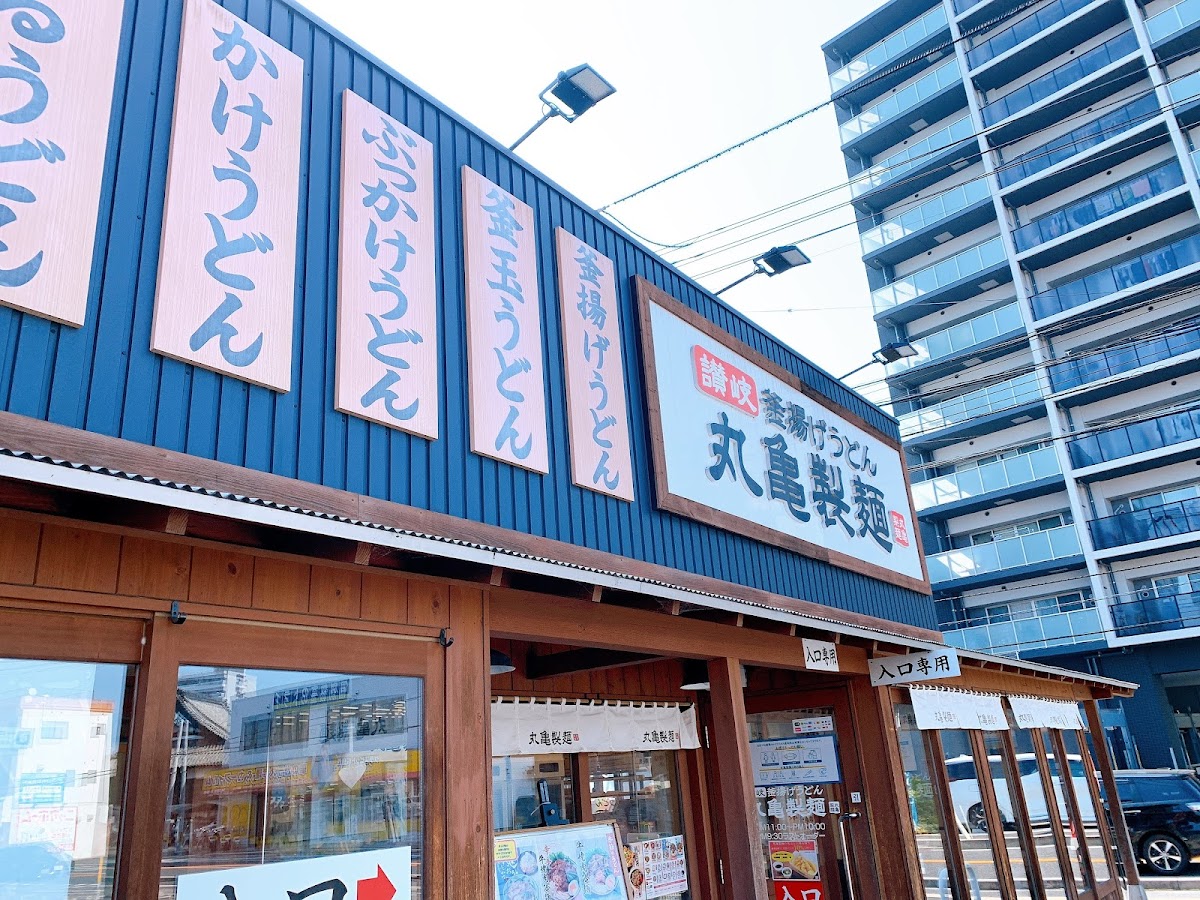
If you’re wandering through Hiroshima Prefecture and craving a comforting bowl of udon, Marugame Seimen Hatsukaichi is one of those spots that locals casually recommend without hesitation. Tucked at 3-34 Honmachi, Hatsukaichi, Hiroshima 738-0015, Japan, this branch of the well-known Marugame Seimen chain blends efficiency with the warm, everyday charm of a neighborhood diner. I’ve stopped here more than once after long travel days, and every visit reminded me why freshly made noodles never go out of style.
The first thing you notice is the open kitchen. The staff prepare udon right in front of you, rolling and cutting the dough before boiling it in large stainless-steel pots. According to the company’s official information, Marugame Seimen operates thousands of locations worldwide and is known for its handcrafted udon noodles made daily in-store. Watching the process feels almost theatrical, but it’s also reassuring. You see exactly how your meal comes together, from raw dough to steaming bowl.
Ordering follows a cafeteria-style flow. You choose your base udon-kake (simple broth), bukkake (thicker sauce poured over), or kamaage (served straight from the pot)-then slide along the counter selecting tempura, rice balls, or extra toppings. I usually go for the classic kake udon with shrimp tempura. The broth is light yet savory, made from dashi that balances bonito flakes and kombu. It’s clean, not greasy, and surprisingly layered in flavor. Japan’s Ministry of Agriculture has often highlighted dashi as a cornerstone of washoku, the country’s traditional cuisine recognized by UNESCO. That attention to foundational ingredients shows in bowls like this.
Texture matters when it comes to udon. The noodles here have that ideal chew-firm but not tough. Food scientists often describe this as the result of gluten development during kneading, which gives wheat noodles their elasticity. You can actually feel that bounce with every bite. It’s subtle, but it separates good udon from average bowls you might find elsewhere.
The tempura station is another highlight. Vegetables like sweet potato and pumpkin sit next to chicken and shrimp, all fried in small batches. I once came during peak lunch hour, and despite the crowd, the turnover was fast enough that nothing tasted stale. The batter stayed crisp, even after dipping into broth. That balance between speed and freshness is something frequent customer reviews often praise, and I’d agree based on my own visits.
Beyond taste, the pricing is part of the appeal. Udon chains like this are designed to be affordable without sacrificing quality. For students, office workers, and families, it’s an easy option. In Japan’s competitive fast-casual dining scene, consistency is crucial. Industry reports from organizations such as the Japan Foodservice Association note that reliability and value are key drivers for repeat visits. Marugame Seimen seems to understand that perfectly.
Seating is simple and functional. Wooden tables, counter seats, and a self-service water station keep things moving smoothly. It’s not a place for a candlelit dinner, but it doesn’t pretend to be. Instead, it focuses on what matters: hot noodles, quick service, and a relaxed atmosphere. On one rainy afternoon, I noticed elderly locals chatting over bowls of kamaage udon while a group of high school students shared tempura plates nearby. That mix of customers says a lot about its community presence.
Accessibility is straightforward. Located in Honmachi, it’s easy to reach by car or local transport within Hatsukaichi. If you’re exploring nearby attractions or even heading toward Miyajima, it makes for a convenient and satisfying meal stop. Parking availability can vary depending on the time of day, so visiting outside peak lunch hours might save you a bit of waiting.
While menu variations and seasonal specials occasionally rotate, the core offerings remain steady. If you’re expecting gourmet experimentation, this may not be the spot. However, if you value authenticity rooted in everyday Japanese dining culture, it delivers exactly what it promises. My only limitation note would be that English menu support can be basic, though the visual display of dishes makes ordering manageable for most travelers.
From the chewy noodles to the balanced dashi and crispy tempura, everything feels intentional yet unpretentious. For a reliable bowl of udon in Hatsukaichi, this address continues to earn its steady stream of regulars and positive word of mouth.
Good to know
Service options
✓ Takeaway ✓ Dine-in ✓ DeliveryPopular for
✓ Lunch ✓ Solo diningAccessibility
✓ Wheelchair-accessible car park ✓ Wheelchair-accessible entrance ✓ Wheelchair-accessible seating ✓ Wheelchair-accessible toiletOfferings
✓ Quick biteDining options
✓ Lunch ✓ Dinner ✓ Seating ✓ Table serviceAmenities
✓ Gender-neutral toilets ✓ Smoke-free place ✓ ToiletAtmosphere
✓ CasualCrowd
✓ Family friendly ✓ University studentsPlanning
✓ Accepts reservationsPayments
✓ au PAY ✓ Credit cards ✓ dBarai ✓ Debit cards ✓ NFC mobile payments ✓ PayPay ✓ Rakuten Pay ✓ Transit IC cards ✓ V-Money ✓ Credit cardsChildren
✓ Good for kids ✓ High chairsParking
✓ Free parking lot ✓ ParkingPhotos
1 / 4
Location
Reviews
- No ratings yet 631 reviews
うどんはもちもちでコシがあり旨いが本命はこっち。ごはんにネギをぶち乗せ天つゆもぶちかけたかき揚げ丼。このネギのおかげで油っこいかき揚げが旨く喰える。 ここの店はアオレンジャーがおるんでうどんも他店舗より旨く感じる…気がする。 行列客のさばき方も手際よく素晴らしい。